About Tampa Exhibit Co.

Tampa Exhibit Leadership

About Tampa Exhibit Co.

Trade Show Exhibit Company of Tampa manages Tampa exhibit programs with one coordinated path across booth strategy, fabrication, rentals, graphics, logistics, venue coordination, and onsite execution.

Booth strategy and design alignmentFabrication, rentals, graphics, and AV coordinationVenue-ready logistics and labor planningReusable exhibit systems across recurring shows

Trade Show Exhibit Company of Tampa is built for exhibitors who want one accountable operating lead instead of a loose chain of vendors. Strategy, design, fabrication, rentals, graphics, logistics, venue coordination, and show-floor supervision are planned as one working system so the client is not left stitching the job together during the most expensive week of the calendar.

That operating model matters in Tampa because the market does not behave like one uniform district. Waterfront convention work, airport-hotel programs, fairgrounds schedules, sponsor events, and nearby regional dates all create different setup windows, service workflows, and crew pressures. A team that owns the whole path can adapt to those conditions without forcing the exhibitor to relearn the process each time.

The result should feel simple from the client side: clearer ownership, fewer handoff errors, and a booth program that still makes sense once the venue, freight path, and opening-hour pressure become real.
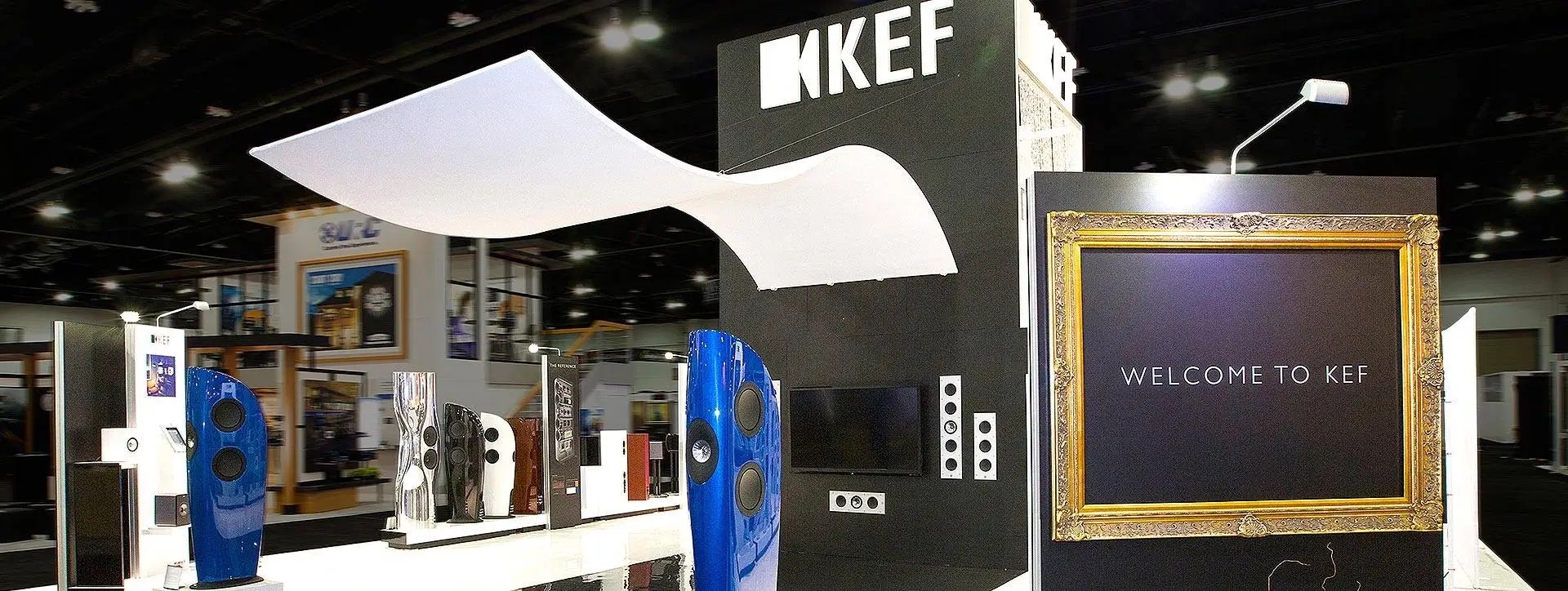
The scope can include booth strategy, custom fabrication, modular systems, exhibit rentals, graphics production, AV coordination, lighting, drayage planning, advance warehouse timing, installation and dismantle, and post-show asset handling. The exact mix depends on what the event asks for, how reusable the booth needs to be, and where the venue puts pressure on the schedule.

Some projects need a flagship custom build with a heavy scenic presence. Others need a lighter modular package, stronger rentals, or a cleaner logistics plan because the event window is short and the calendar is crowded. Good exhibit leadership is not about forcing the same answer onto every job; it is about matching the build path to the room, the audience, and the business goal.

That practical range is what turns a vendor list into an operating team. The exhibitor gets one group looking at the whole assignment instead of several groups optimizing their own narrow slice of it.

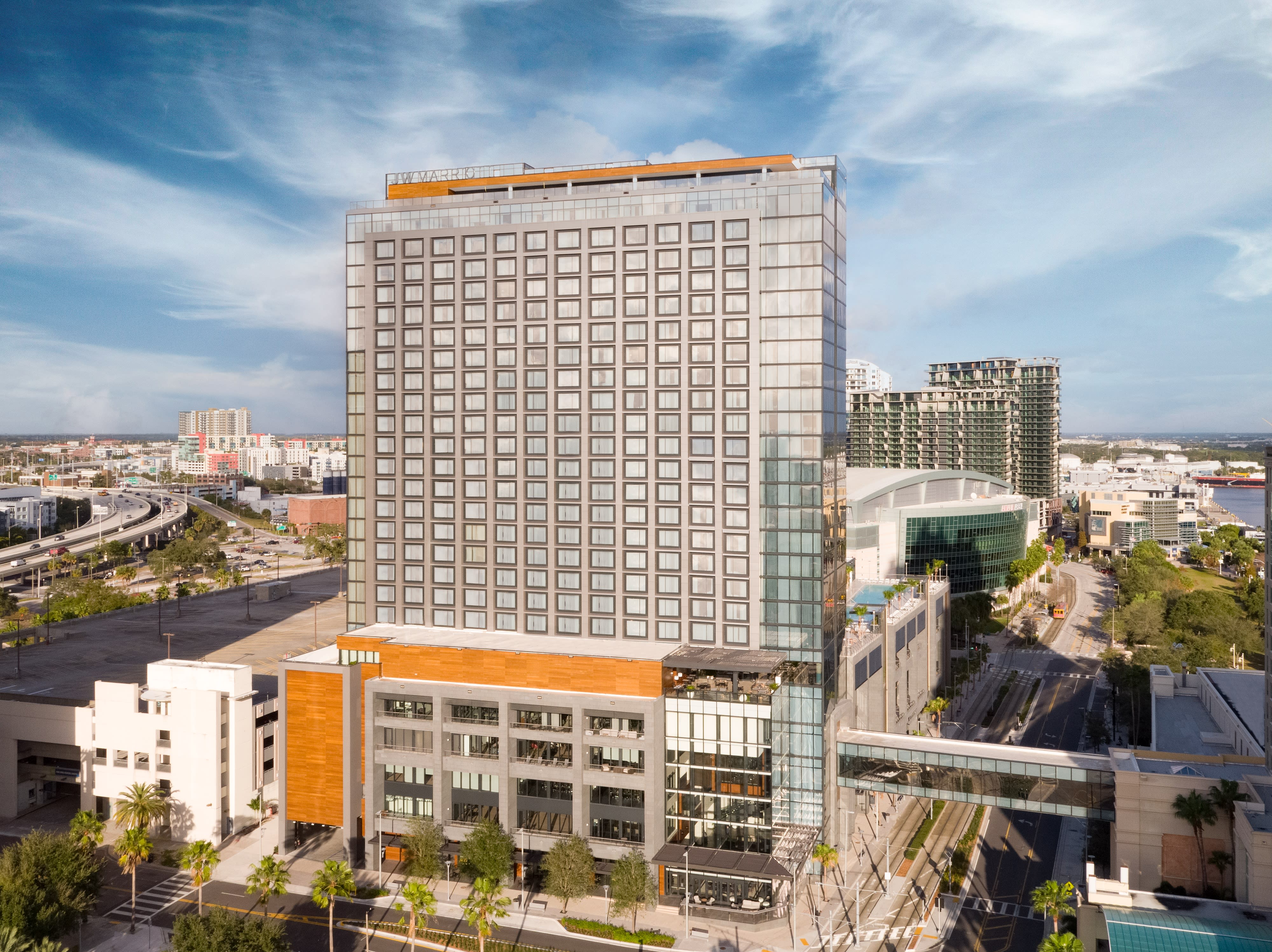
Tampa’s trade show market is led by the downtown waterfront convention district and reinforced by Water Street hotels, Westshore airport properties, and the east-side fairgrounds corridor. That means local knowledge is not a cosmetic advantage. It changes how early the venue conversation should start, which support services matter most, and how aggressive the install sequence can be before risk starts stacking up.

A waterfront convention hall and an airport-adjacent ballroom may serve the same brand in the same quarter, yet the right booth logic can be very different. One room may reward stronger architecture and utility planning, while another may reward faster setup, lighter scenic choices, and a tighter support package built for shorter windows.

Venue-aware planning keeps those differences visible early enough to protect budget, schedule, and field execution. That is usually the difference between a booth that looks good in renderings and a booth that actually performs well once the room is live.

Exhibitors with a real calendar do not want to start from zero every time. They need a booth system and support plan that can move from one venue to another without losing the brand feel or blowing up the field budget. That is where reuse discipline matters more than flashy language.

A stronger recurring program separates what should stay fixed from what should flex. Scenic assets, rental supplements, graphics updates, crates, labor notes, and venue-specific adjustments all need different levels of permanence. When those decisions are made early, later shows become easier to scope and easier to execute.

That is how a Tampa exhibit operation stays useful over time. The team is not simply delivering one clean opening morning. It is building a smarter base for the next event, the next venue, and the next round of decisions.

The most productive first conversation names the event, the venue, the footprint, the target date, and the support mix already in play. Those basics do more to sharpen the direction than a long wish list without context.

From there, the conversation can move into the real tradeoffs: where custom work is justified, where rentals keep the program lighter, where venue services change the answer, and how much reuse the client expects from the system.

That is the standard the company works toward. Clear inputs, clear ownership, and a booth plan that can survive contact with the venue instead of falling apart the moment the schedule tightens.

Water Street Tampa venue district

Start the conversation

Discuss the Tampa scope before the schedule hardens.

Share the venue, footprint, event date, and the support mix already in view. That is enough to start a real project conversation.

Get in touch