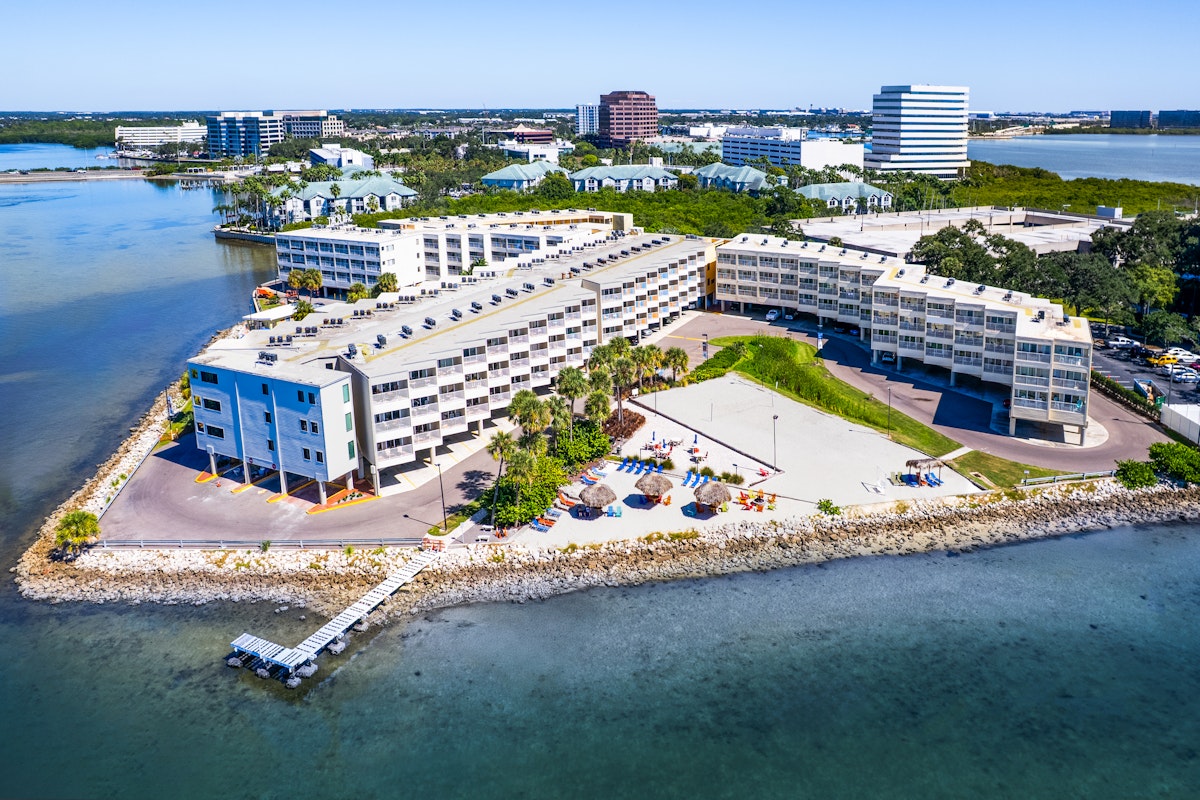
Tampa Area Exhibit Coverage

Locations

Tampa Area Exhibit Coverage

Market coverage across Tampa's convention core, Westshore, the fairgrounds corridor, Gulf-side venues, and nearby regional event districts where the same booth has to behave differently.

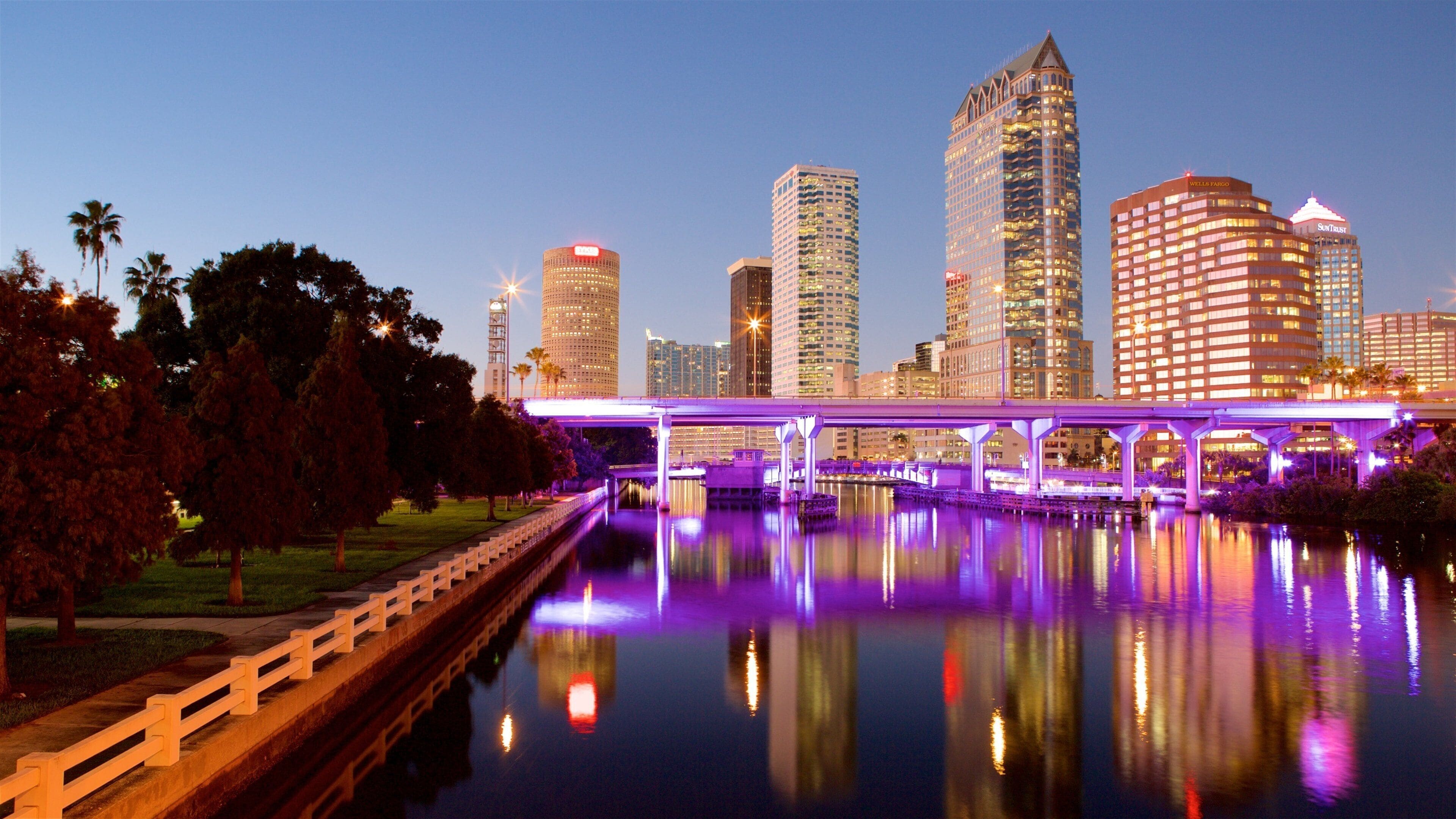
Tampa, FLDowntown Tampa, FLWater Street, Tampa, FLChannel District, Tampa, FL

Location planning in Tampa works best when it is tied to the way events actually move through Downtown / Water Street / Convention Core, Westshore / Airport / Rocky Point, and East Tampa / Brandon / Fairgrounds. Buyers usually begin with a headline need, but the right answer changes once the venue, schedule, and support mix are real.

Conversations around Tampa, FL, Downtown Tampa, FL, Water Street, Tampa, FL are most useful when they help exhibitors compare market geography against a real brief instead of against a generic national playbook.

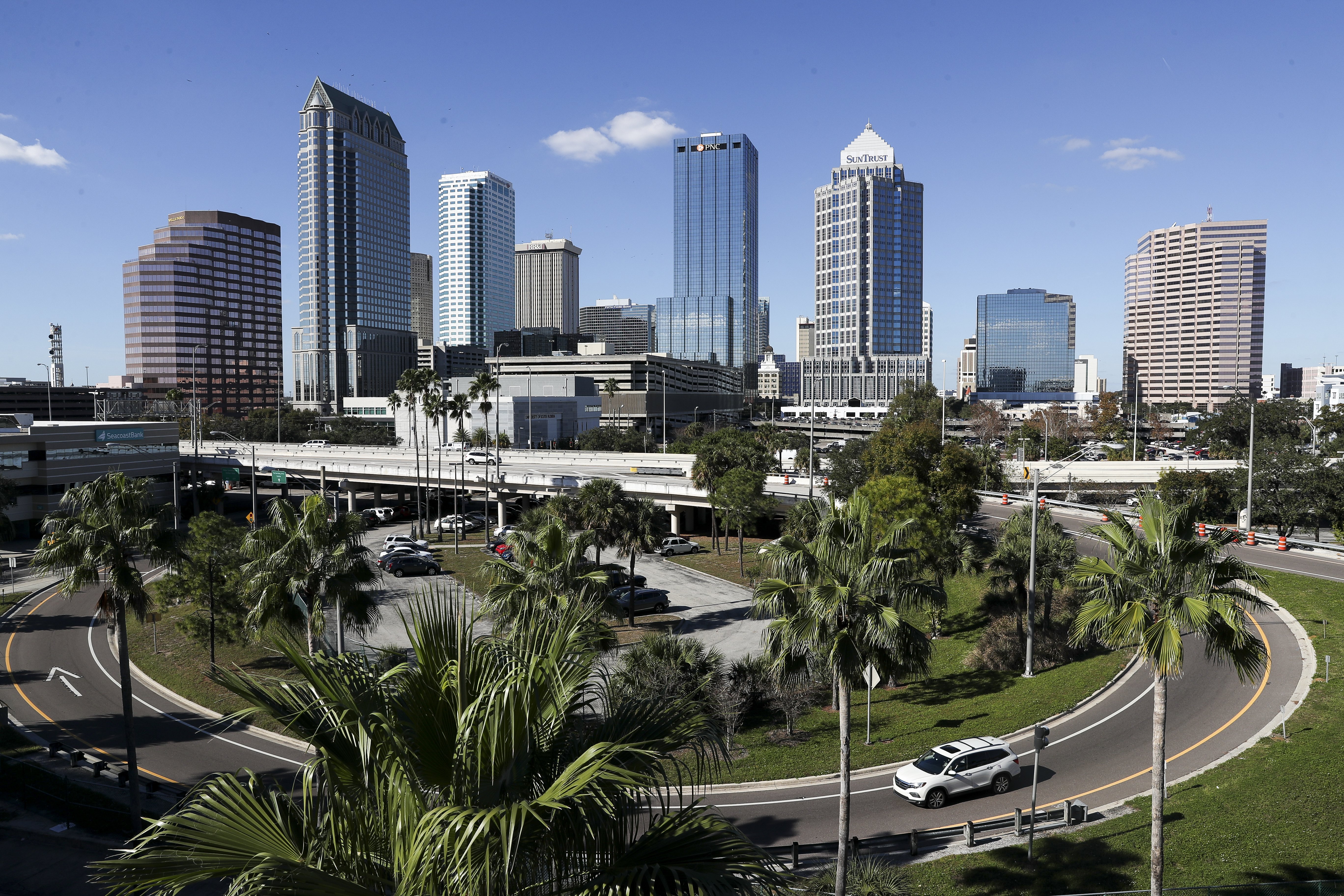
Tampa, FL

Tampa, FL

Tampa, FL

Tampa, FL sits inside a Tampa event lane where venue mix, dock access, hotel inventory, and travel time all influence how an exhibit program should be scoped. Trade Show Exhibit.

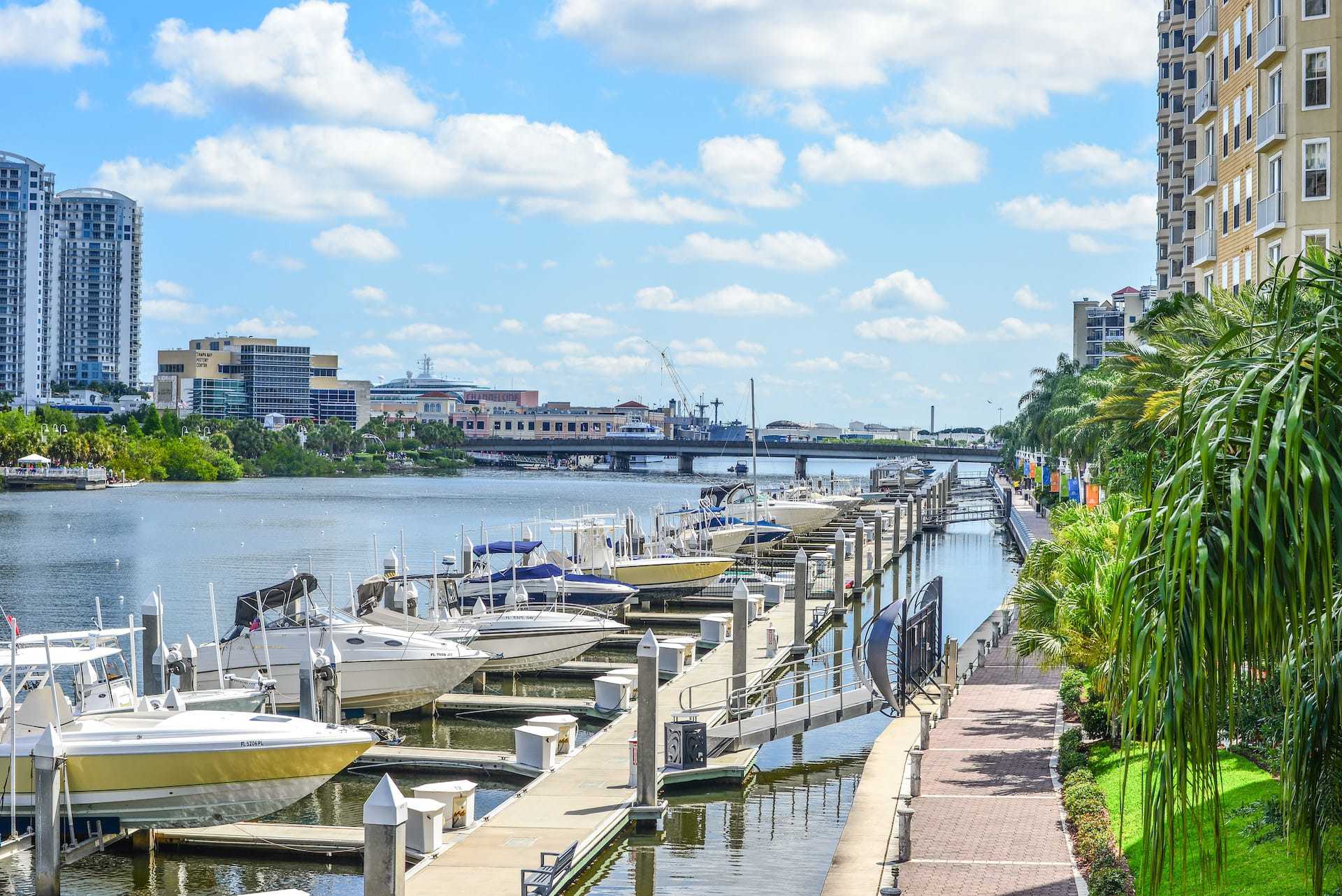
Downtown Tampa, FL

Downtown Tampa, FL

Downtown Tampa, FL

Downtown Tampa, FL sits inside a Tampa event lane where venue mix, dock access, hotel inventory, and travel time all influence how an exhibit program should be scoped. Trade Show.

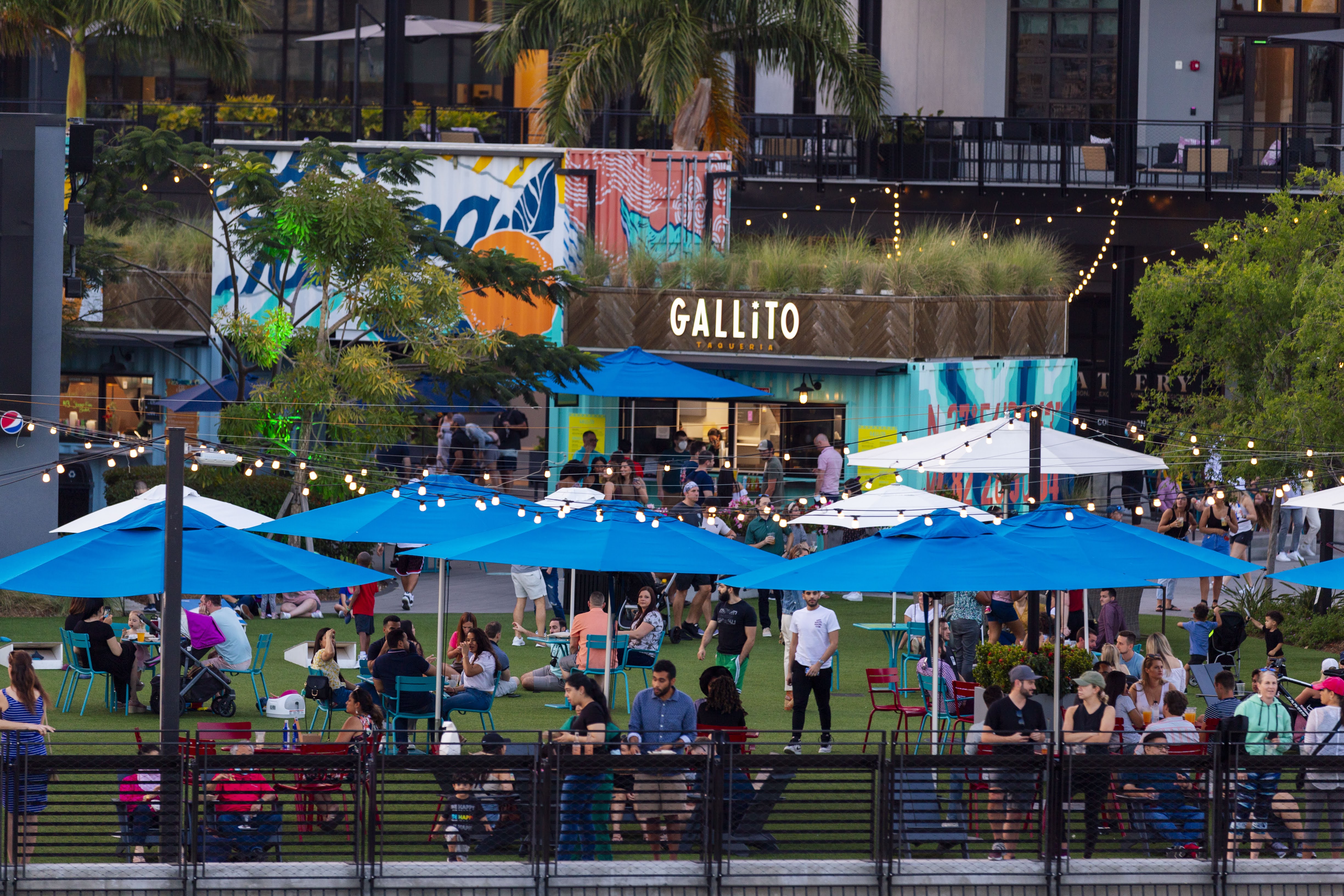
Water Street, Tampa, FL

Water Street, Tampa, FL

Water Street, Tampa, FL

Water Street, Tampa, FL sits inside a Tampa event lane where venue mix, dock access, hotel inventory, and travel time all influence how an exhibit program should be scoped. Trade Show.

Channel District, Tampa, FL

Channel District, Tampa, FL

Channel District, Tampa, FL

Channel District, Tampa, FL sits inside a Tampa event lane where venue mix, dock access, hotel inventory, and travel time all influence how an exhibit program should be scoped. Trade.

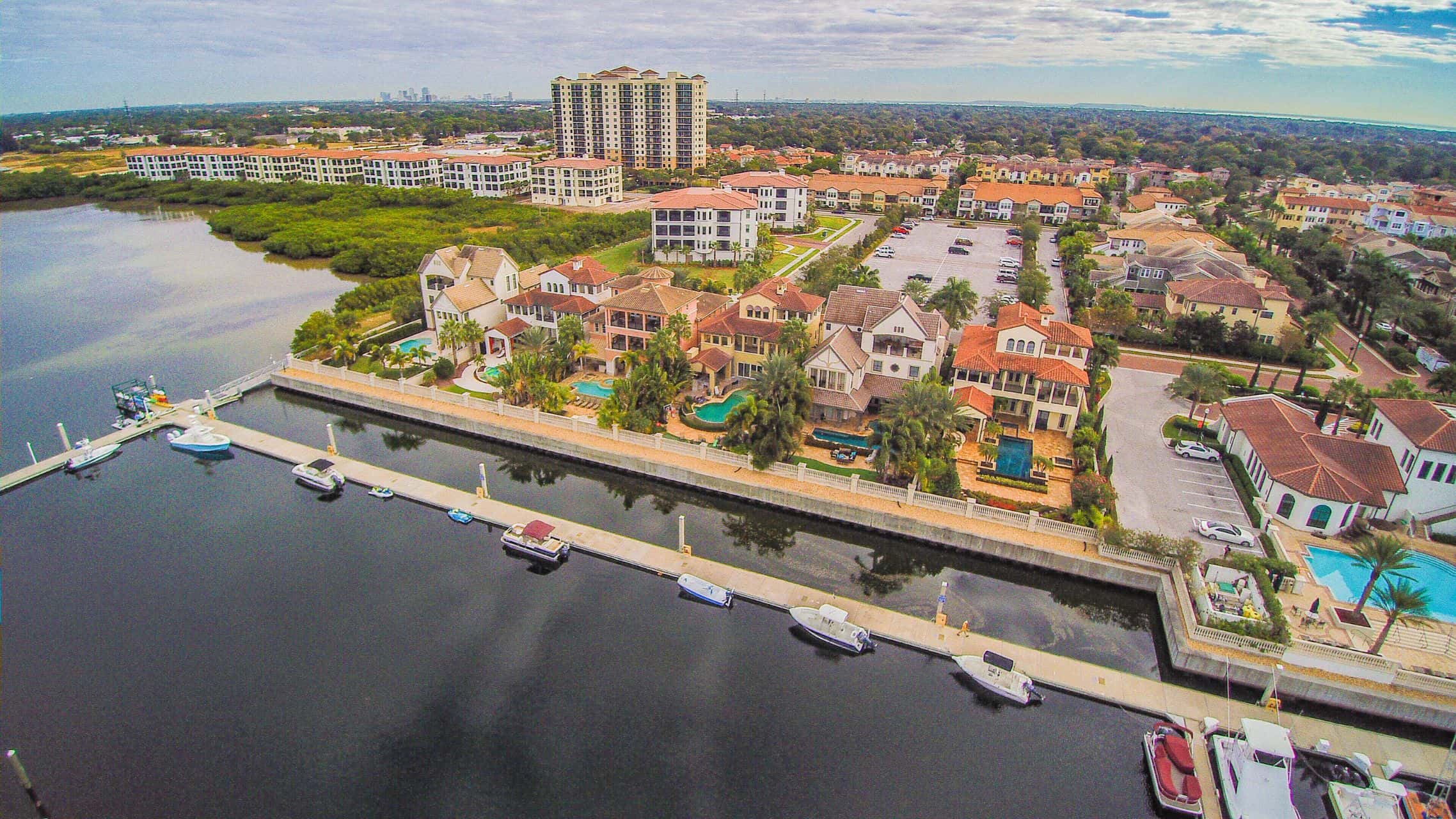
Harbour Island, Tampa, FL

Harbour Island, Tampa, FL

Harbour Island, Tampa, FL

Harbour Island, Tampa, FL sits inside a Tampa event lane where venue mix, dock access, hotel inventory, and travel time all influence how an exhibit program should be scoped. Trade.

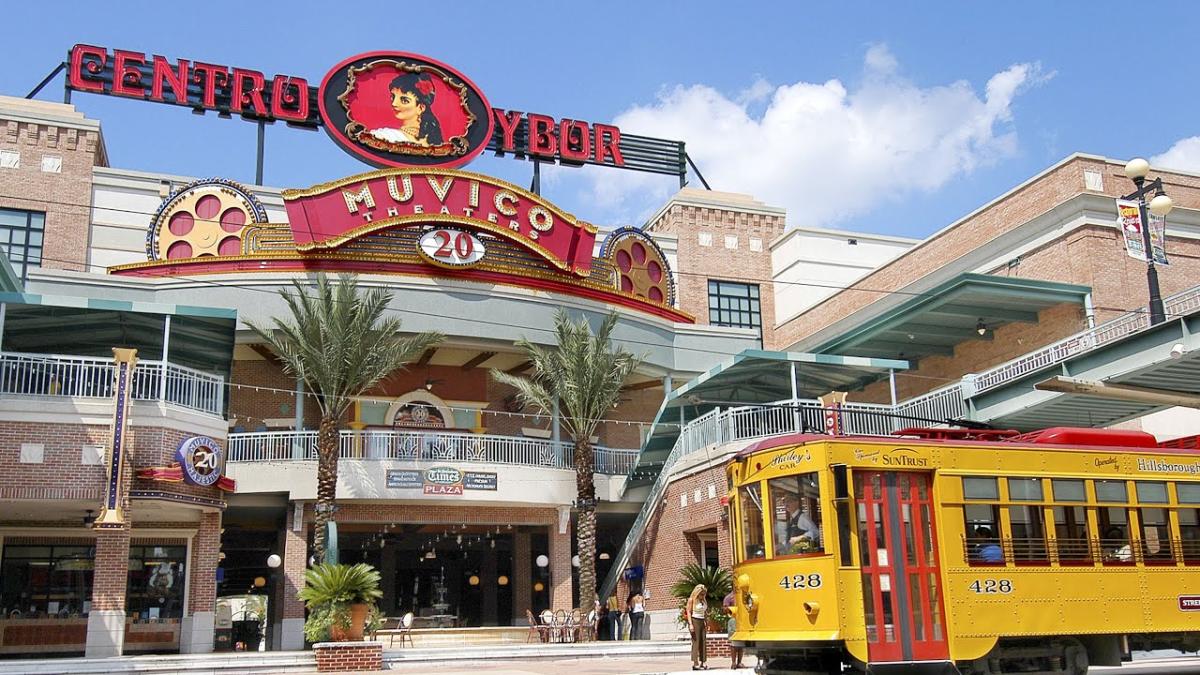
Ybor City, Tampa, FL

Ybor City, Tampa, FL

Ybor City, Tampa, FL

Ybor City, Tampa, FL sits inside a Tampa event lane where venue mix, dock access, hotel inventory, and travel time all influence how an exhibit program should be scoped. Trade Show.

Westshore, Tampa, FL

Westshore, Tampa, FL

Westshore, Tampa, FL

Westshore, Tampa, FL sits inside a Tampa event lane where venue mix, dock access, hotel inventory, and travel time all influence how an exhibit program should be scoped. Trade Show.

Rocky Point, Tampa, FL

Rocky Point, Tampa, FL

Rocky Point, Tampa, FL

Rocky Point, Tampa, FL sits inside a Tampa event lane where venue mix, dock access, hotel inventory, and travel time all influence how an exhibit program should be scoped. Trade Show.

Most buyers are not trying to consume every possible option. They are trying to identify which districts make sense for convention work, hotel programs, fairgrounds events, and surrounding-market dates so they can protect the budget, the calendar, and the onsite outcome at the same time.

That makes the first comparison more practical than theoretical. The question is not whether something sounds impressive. The question is whether it fits the venue, the attendee flow, the install window, and the operating pressure around the show week.

The strongest comparisons start with the options that already match the real constraints on the job. Once those are visible, the rest of the scope usually gets much easier to frame.
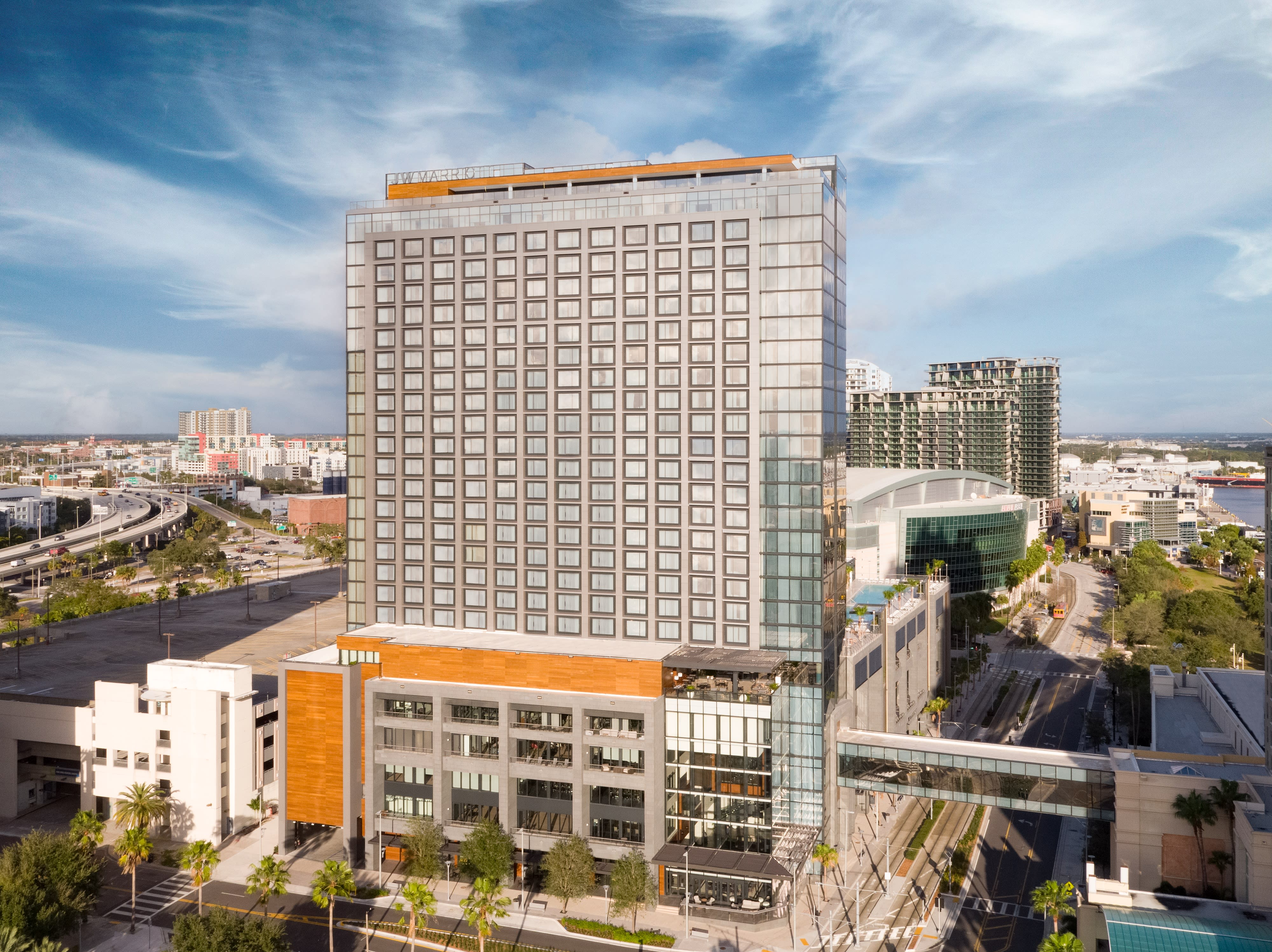
In Tampa, how loading access, hotel inventory, travel time, and venue mix change the job becomes obvious fast. Tampa's waterfront convention district, Westshore hotel inventory, east-side expo corridor, and surrounding-market venues do not produce the same operating assumptions.

A room with a large dock, generous utility infrastructure, and a long setup window invites different decisions than a ballroom, resort space, or smaller-format activation venue. Those differences are why local context matters so much on a project that still needs to look coherent from the client side.

Keeping those venue realities close to the front of the conversation leads to decisions formed by the actual room instead of by a generic idea of what the topic is supposed to mean.

What a regional brief should include when the event is outside the immediate downtown core becomes much easier to solve when those inputs are named early. It becomes clearer what belongs in fabrication, what belongs in rentals, what belongs in venue services, and what the exhibitor team should own directly.

That early clarity also protects the field team. Crew sequencing, utility orders, AV planning, storage, and graphics installation all become easier to manage when the strategic decision was settled before the production work accelerated.

In practice, that is what separates a calm program from a rushed one. The best projects are not simply well designed. They are well framed before the trucks are booked and the deadlines become unforgiving.

The fastest way to narrow the options is usually to start with the direction that already sounds closest to the real assignment, then compare it against the venue and location factors that shape the same job from another angle.

That is how the scope gets sharper without getting bloated. A buyer can start with one idea, see what the venue changes, understand what the district changes, and then move into the contact form with a better grasp of what the program actually needs.

When that happens, the next conversation sounds less like discovery and more like project planning, which is where the real value starts showing up.

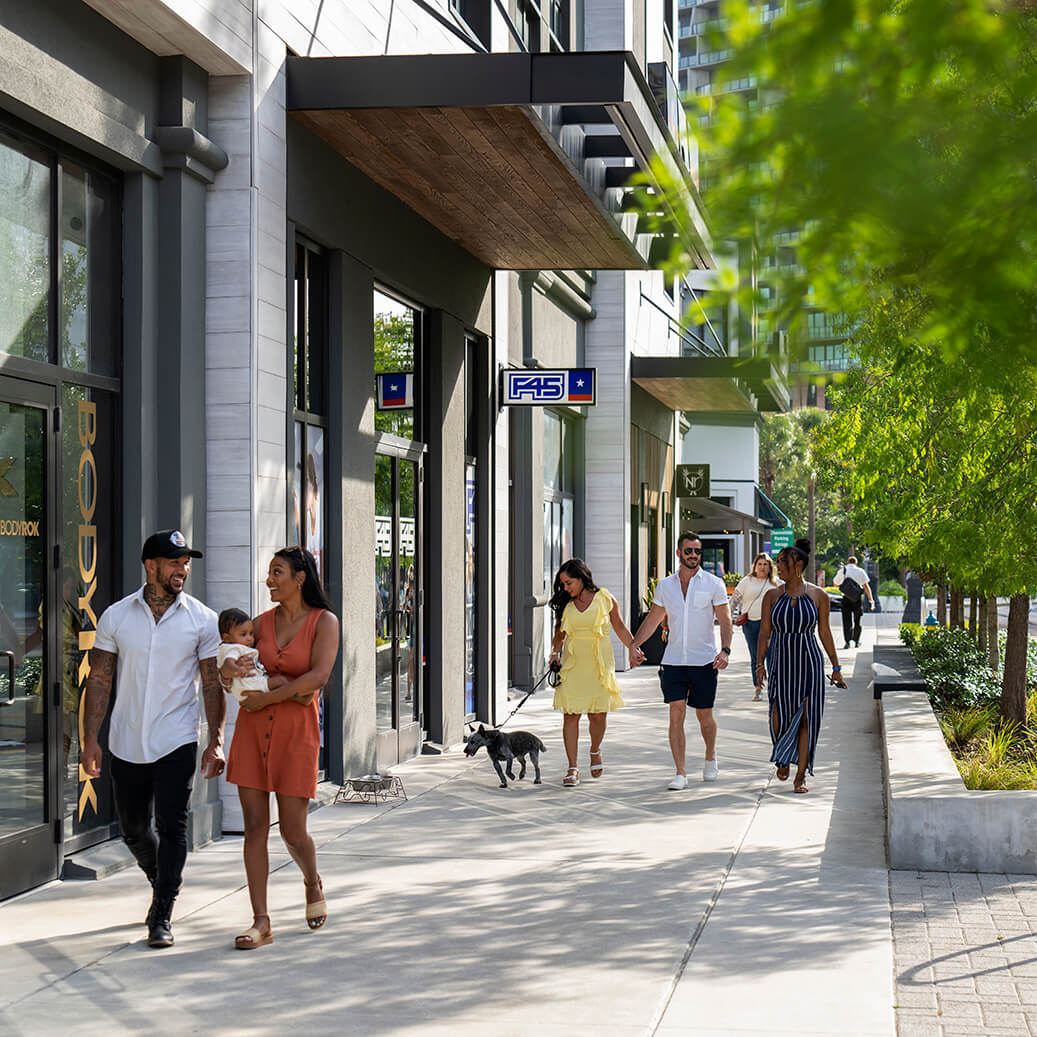
Water Street Tampa venue district

Start the conversation

Plan locations around the real Tampa conditions.

If the venue, event format, or support path is already known, the next step should turn the browsing into a useful brief.

Get in touch